


Oxymax-CLAMS
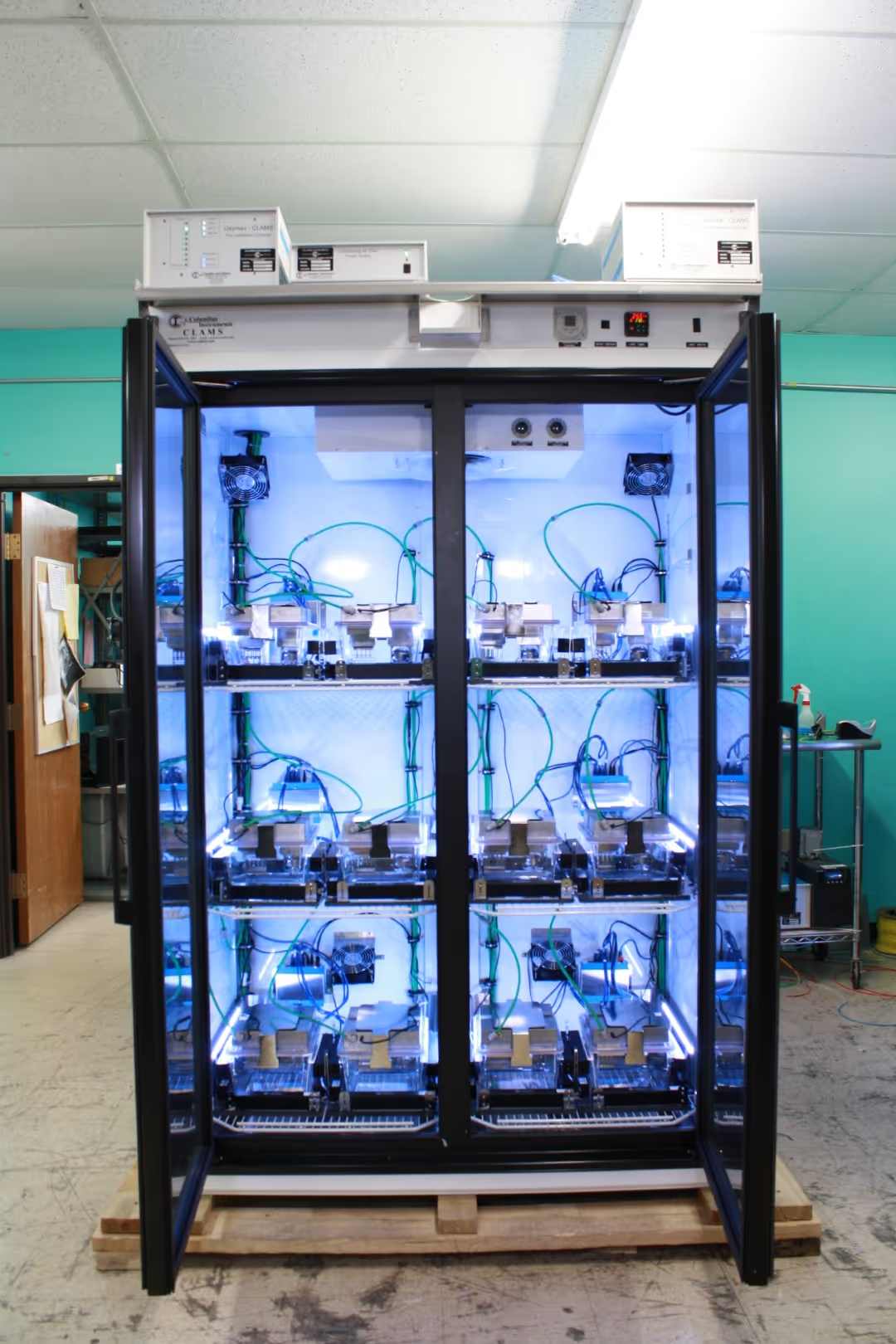
The Columbus Instruments CLAMS (Comprehensive Lab Animal Monitoring System) is the leading choice for laboratory animal monitoring. Using innovative respiratory technology in a home-cage system enables precise, uninterrupted data collection for small laboratory animals such as mice and rats while maintaining an undisturbed environment.
Why CLAMS?
.avif)
Extensive Scientific Validation
- Publication Record: CLAMS and Oxymax systems are cited in more than 5,000 published scientific papers, more than all competitors combined.
- Industry Pioneer: Columbus Instruments developed the first commercially available indirect calorimeter in 1985, and the system is currently in its fifth generation.
High-Precision Hardware & Sensing
- Advanced Gas Analyzers: Researchers can choose from three oxygen sensors based on budget and precision needs.
- Ultra-Fast Scanning: The Zirconia sensor scans each cage in 20 seconds for high-throughput studies.
- Superior Drift Control: NDIR (Non-Dispersive Infrared) sensors minimize drift, reducing the need for recalibration.
- Drying: Sample drying ensures accuracy from 30°C down to 4°C. Wider temperature ranges are available upon request.
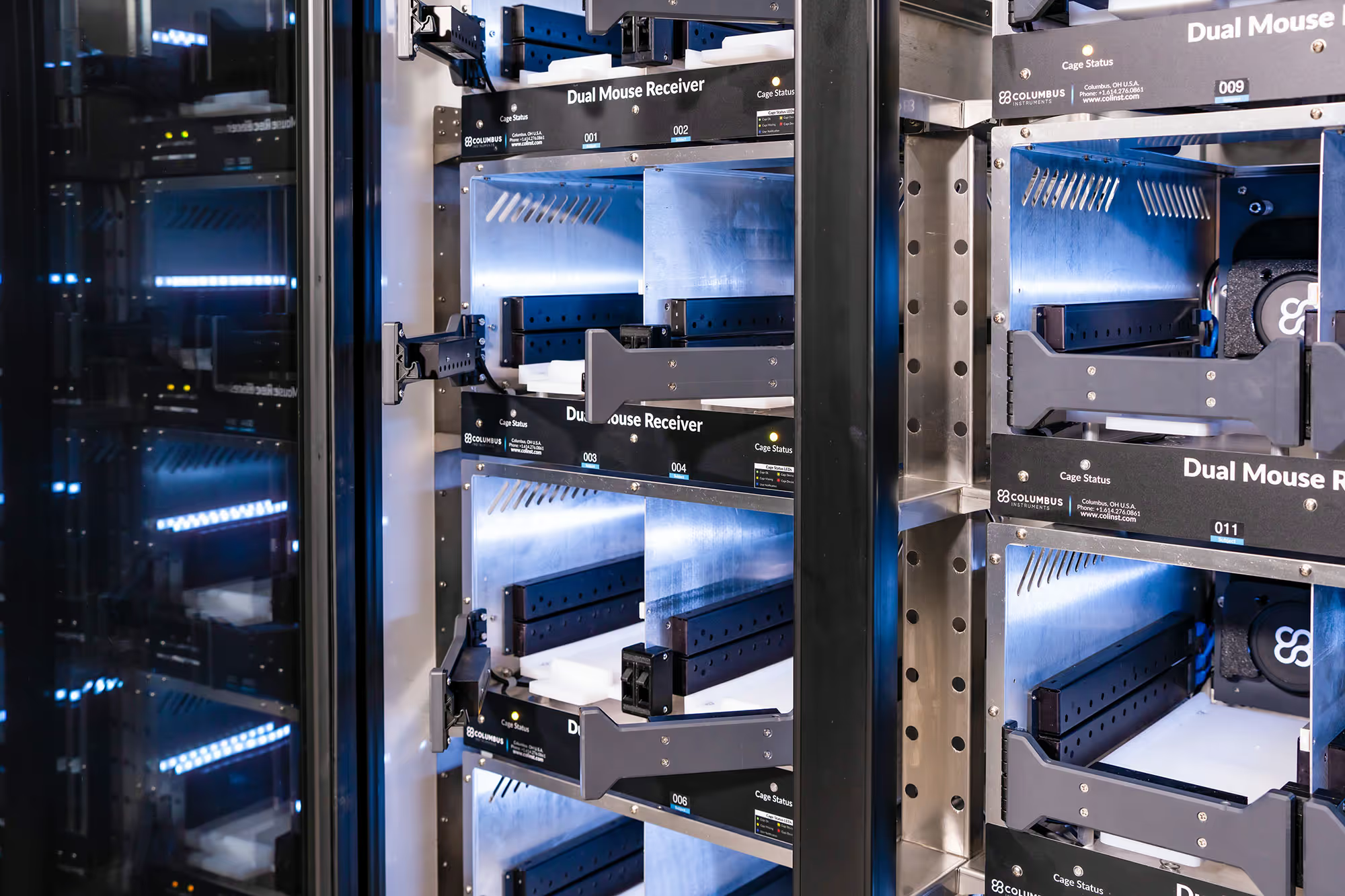
Integrated Home Cage Design
- Minimal Stress: Continuous, non-invasive monitoring mimics standard cage conditions, reducing stress and yielding more reliable metabolic measurements.
- Simultaneous Multi-Parameter Assessment: Researchers can conveniently measure feeding, drinking, and physical activity on a single platform, saving time and improving data consistency.
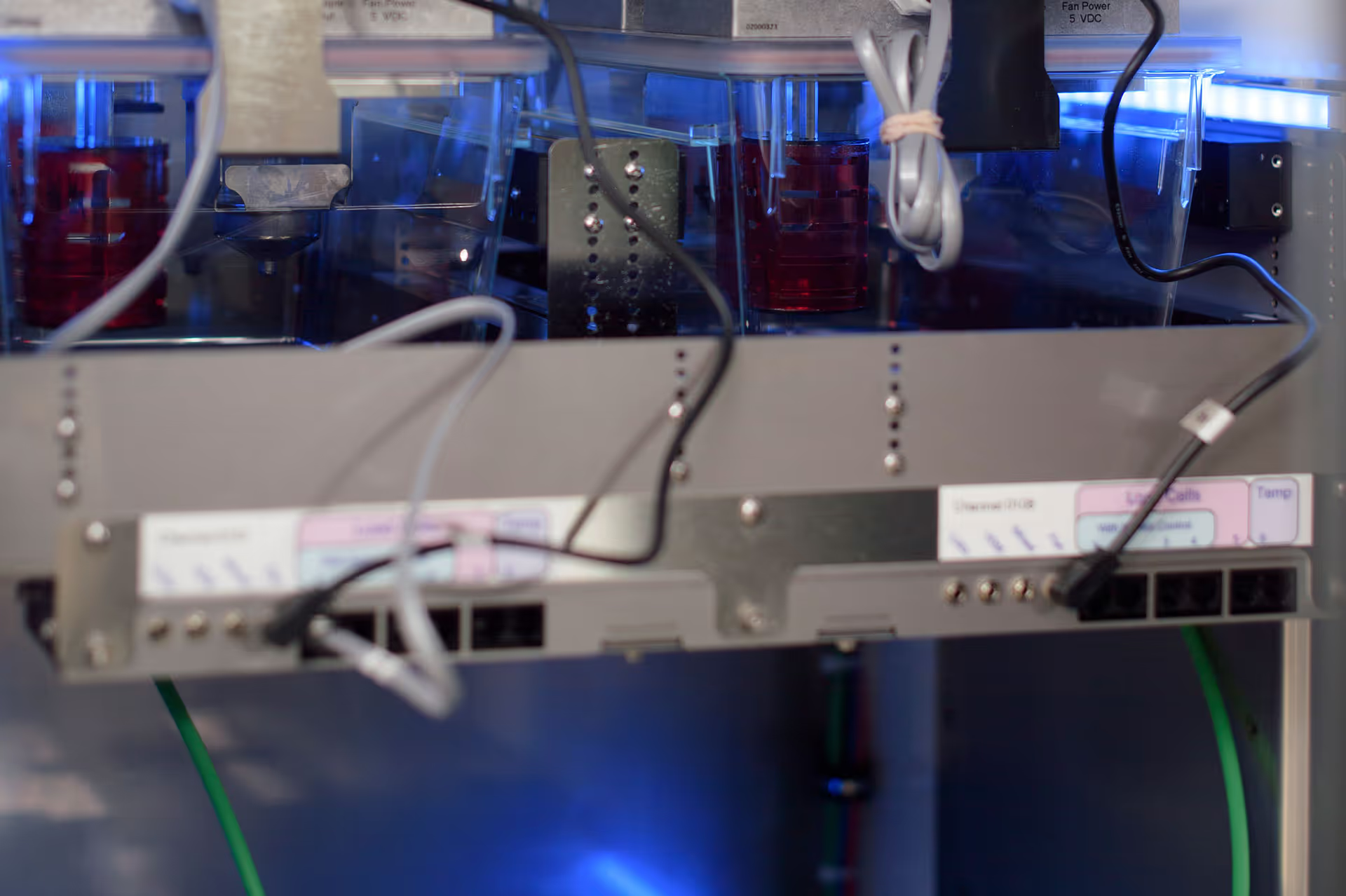
Advanced Technical Innovations
CLAMS-Connect eliminates tubes and wires, simplifying setup and training.
- Telemetry: Wireless, battery-free implants monitor heart rate and core temperature.
- Isotopic & Methane Analysis: Optional analyzers enable isotopic or methane detection (δ13CO2), helping to reveal how substrates are metabolized and how gut microbiota function.
.avif)
Specialized Software Analysis
- CI-OxyMap: Categorizes energy expenditure into four categories: Basal Metabolic Rate (BMR), Thermic Effect of Food (TEF), Activity-Induced Energy Expenditure (AEE), and Adaptive Thermogenesis (AT).
- Real-Time Data: CI-Link provides real-time visualization of IICCC-compliant (International Indirect Calorimetry Controlled Criteria) graphical data sets without pausing or interrupting the experiment.
Choose the Columbus Instruments CLAMS system that best aligns with your experimental goals and priorities.
.avif)

The system allows researchers to perform high-precision, non-invasive monitoring of:
- Metabolic Rate (Indirect Calorimetry): Measuring oxygen consumption (VO2) and carbon dioxide production (VCO2) to calculate the Respiratory Exchange Ratio (RER) and total energy expenditure.
- Energy Balance: Tracking food and water intake in real-time to see how an animal’s diet impacts its metabolism.
- Behavioral Activity: Monitoring movement in three dimensions (X, Y, Z axes) using infrared beams to track sleep patterns, exercise, and general locomotor activity.
- Thermoregulation: Often integrated with telemetry to monitor core body temperature without handling the animal.
.svg)
Researchers use CLAMS data to study:
- Obesity & Diabetes: How certain drugs, like GLP-1s, or diets affect fat oxidation and weight gain.
- Aging: Changes in metabolic efficiency over a lifespan.
- Circadian Rhythms: Shifts in activity and metabolic peaks between day and night cycles.
- Genetics: Identifying hidden phenotypes in transgenic mice that might look normal but have different metabolic needs.
Columbus Instruments CLAMS is the industry standard in metabolic and behavioral research, thanks to decades of pioneering innovation and unmatched peer-reviewed validation.
CLAMS-Connect (CN)
The next-generation Columbus Instruments CLAMS unites traditional measurements with tailored solutions for high-throughput data and infectious disease studies.
.avif)
.avif)
.avif)
.avif)
Research Applications
Designed for efficiency, CLAMS-Connect enables core facilities to study dozens of animals at once, increasing throughput, reducing turnaround time, and advancing large-scale data collection.
- Increased Density: Environmental enclosures fit 25% more cages. Shelving systems have a 60% smaller footprint (a full meter shorter than CLAMS-HC).
- Wire & Tube Free Design: CLAMS-Connect employs superior engineering to set up experiments as easily as loading normal cages into an IVC rack. Power and data transfers from each cage via our proprietary Connect Technology, enabling the use of unmodified biocontainment cages that retain their P3 safety rating.
- Reduced Dependence on Specialized Training: Upon cage insertion, CLAMS-Connect technology automatically tares all weights, checks servo position, and begins streaming all data into the software within seconds. A multicolor LED indicator alerts to specific setup errors, nearly eliminating the need for manual troubleshooting.
- Enhanced Animal Welfare: A camera system is available for systems with environmental control cabinets, eliminating the need to open doors and disturb the mice for their mandatory 24-hour check-in.
- Commitment to Rigor & Reproducibility: All CLAMS-Connect cages come with in-cage metadata sensors to provide individual cage data for temperature, humidity, pressure, sound level (average and peak dB), and light (lux). Knowing the experimental conditions under which key measurements were taken is essential to making live-animal tests more reproducible across labs.
A significant research upgrade for the CLAMS-Connect system.
- Biocontainment: P3 (Biosafety Level 3) biocontainment ratings.
- Metabolic Virus Impact: With no external gas tubes or wiring, it is ideal for virus impact studies, such as those on COVID-19 or Influenza. The entire rack is easier to decontaminate or place inside a specialized biocontainment hood.
Because the system is tube-free, it is much easier to maintain the sterile integrity required for microbiome-free (gnotobiotic) mice.
- P3 Biosafety Rating: Ideal for germ-free mice.
- Positive Flow Calorimetry Systems: Available at no extra cost upon request.
Connect is optimized for studies with oxygen levels as low as 10%.
- P3 Biocontainment Cage Seal: Strong enough to create hypoxic conditions as-low-as 10% O2 with a properly configured gas mixer for N2 dilution.
- Low Oxygen Levels: Studying how low oxygen levels impact metabolic rate and heart rate, which is common in research regarding pulmonary diseases, high-altitude adaptation, or sleep apnea.
Often paired with isotopic analyzers.
- Substrate Tracking: Researchers can distinguish metabolic fuels burned with >0.1% precision.

- Superior Setup and Efficiency
- Reduced Human Error
- Lower Training Barrier
- High-Throughput & Space Optimization
- Enhanced Mobility
- P3 Biocontainment & Safety
- Individual Micro-Environments
CLAMS-HomeCage (HC)
.avif)
.avif)
.avif)
.avif)
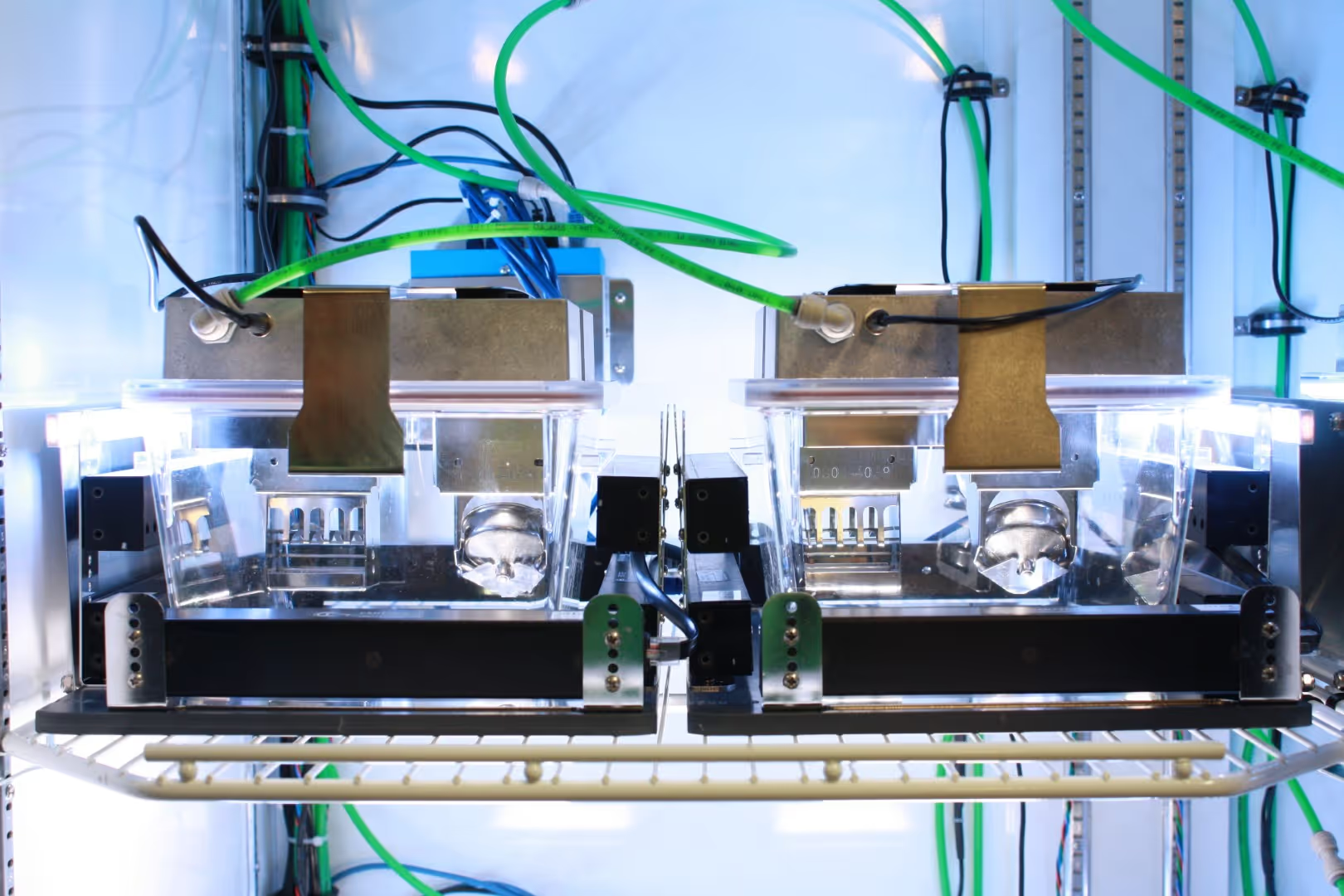
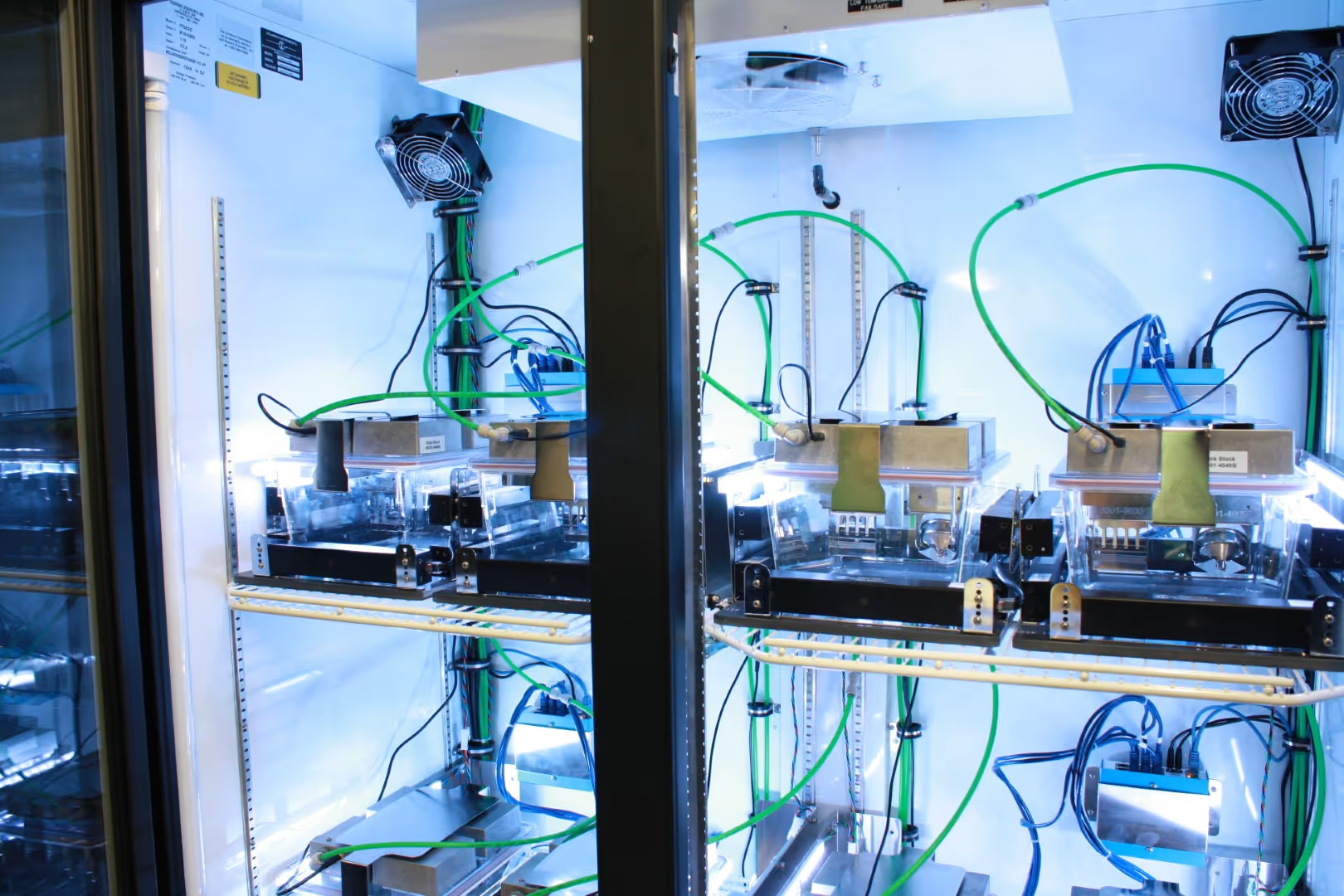
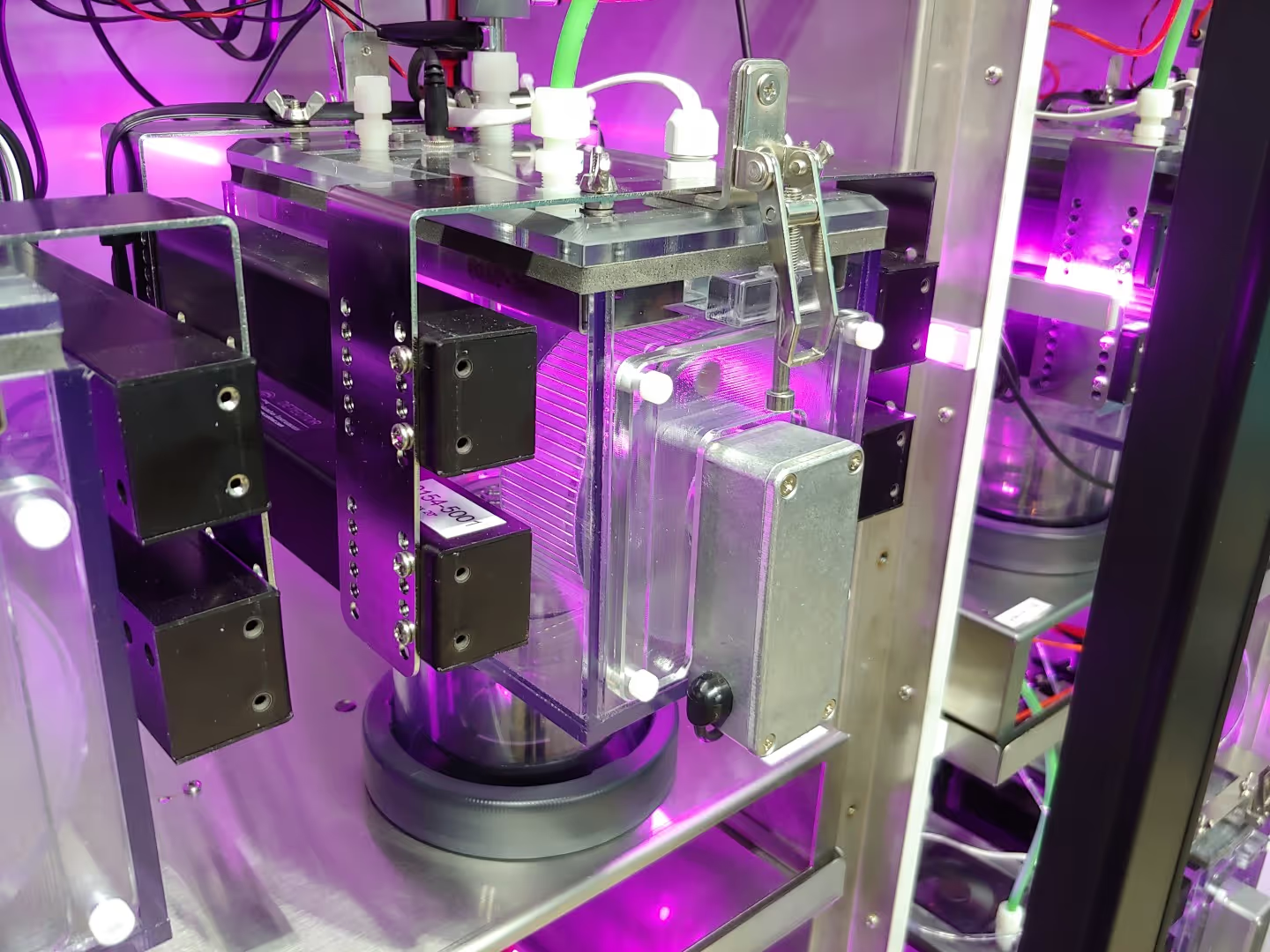
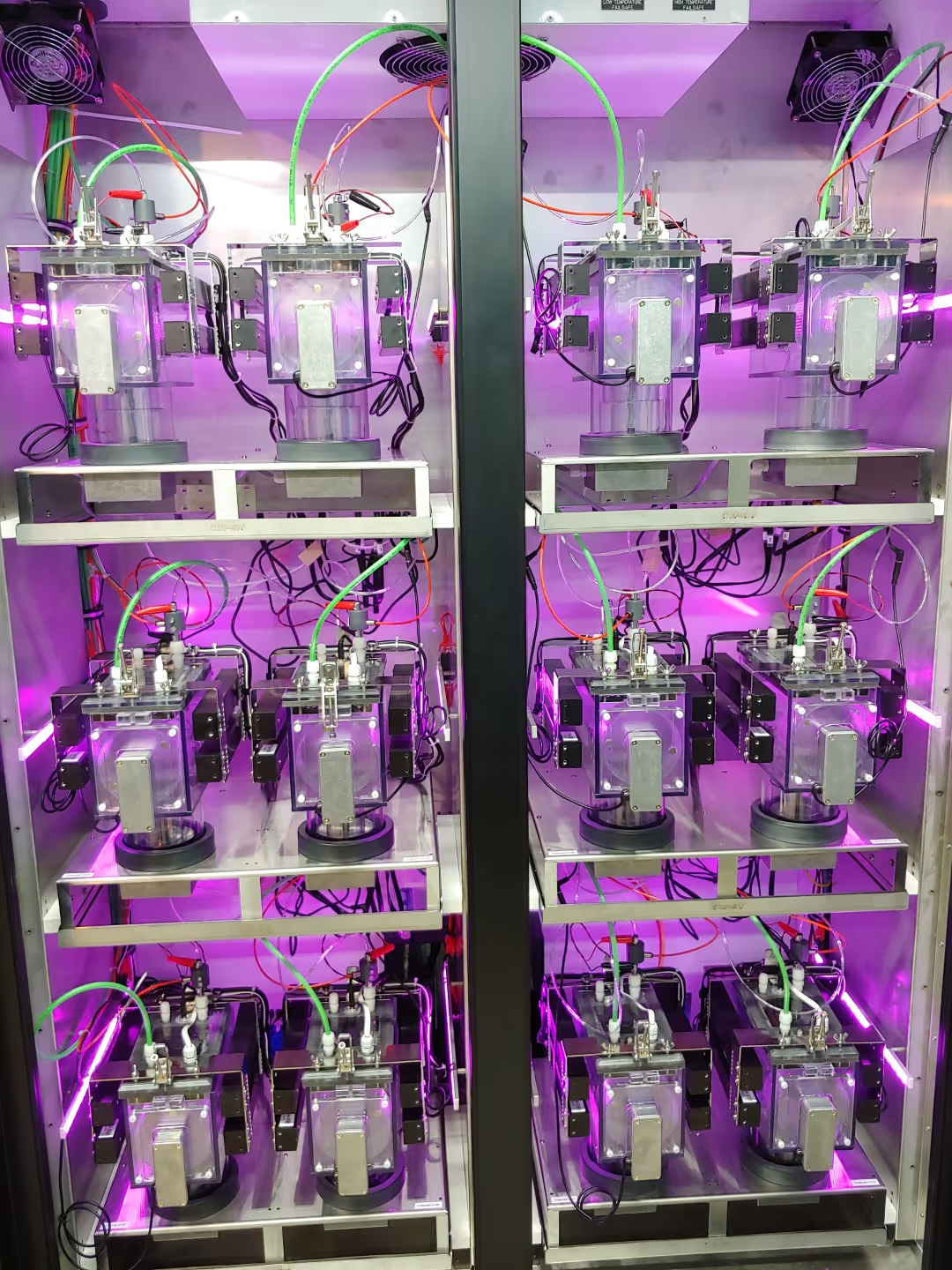
The Columbus Instruments CLAMS-HomeCage is the most widely used system in metabolic research because it balances scientific precision with a high-welfare environment. Since it allows for standard bedding and familiar feeding, it is the primary choice for any study where natural, unstressed behavior is a key variable. Designed for long-term monitoring with minimal stress.
Research Applications
This is the most frequent use of CLAMS-HomeCage, typically used to characterize how a specific gene or drug affects energy balance over 48–72 hours.
- Budget High-Throughput: For systems equipped only with the basics for metabolic phenotyping, CLAMS-HC offers a more affordable option. CLAMS- HC uses the same universal Oxymax indirect calorimeter as CLAMS-Connect and offers the same performance on all core measurements.
- Obesity & Diabetes: Measuring if a mouse is metabolically flexible (switching between burning carbs and fat).
- Fatty Liver Disease & Cancer: Researching how metabolic dysfunction drives tumor growth or organ failure.
- Muscle Function: Quantifying the metabolic cost of standard movement in models of muscular dystrophy or atrophy.
Because the CLAMS-HomeCage supports long-term monitoring (days to weeks), it is ideal for studying the master clock.
- Day/Night Shifts: Tracking VO2 and activity peaks to see if a mutation disrupts the 24-hour cycle.
- Sleep-Wake Cycles: The system uses fine movement detection (XYZ beam breaks) to estimate sleep bouts without the need for invasive EEG/EMG surgery.
- Light Pollution: Researching how dim light at night impacts energy expenditure and glucose metabolism.
Longitudinal studies (tracking animals as they age) require a low-stress environment to avoid data skewing from chronic stress.
- Energy Balance in Aging: Monitoring how metabolic efficiency declines with age.
- Intermittent Fasting (IF): Using automated food access to study how time-restricted feeding affects lifespan and metabolic rate.
Researchers often place CLAMS-HC units inside environmental enclosures (chambers that control temperature).
- Cold Challenge: Moving a mouse from 22°C to 4°C to measure adaptive thermogenesis (the ability to burn calories to stay warm).
- Thermoneutrality: Studying metabolism at 30°C (where mice don't have to work to stay warm) to see their true basal metabolic rate (BMR).
- Maternal Exercise: Studying how a mother's activity on a running wheel during pregnancy reprograms the offspring’s metabolism.
- Developmental Programming: Tracking the weight gain and energy expenditure of young mice after they are weaned to see how early-life nutrition impacts adult health.
Provides a budget-friendly, perfect balance of:
- Performance
- Flexibility
- Usability
- Budget
CLAMS-CenterFeeder (CF)
.avif)
.avif)
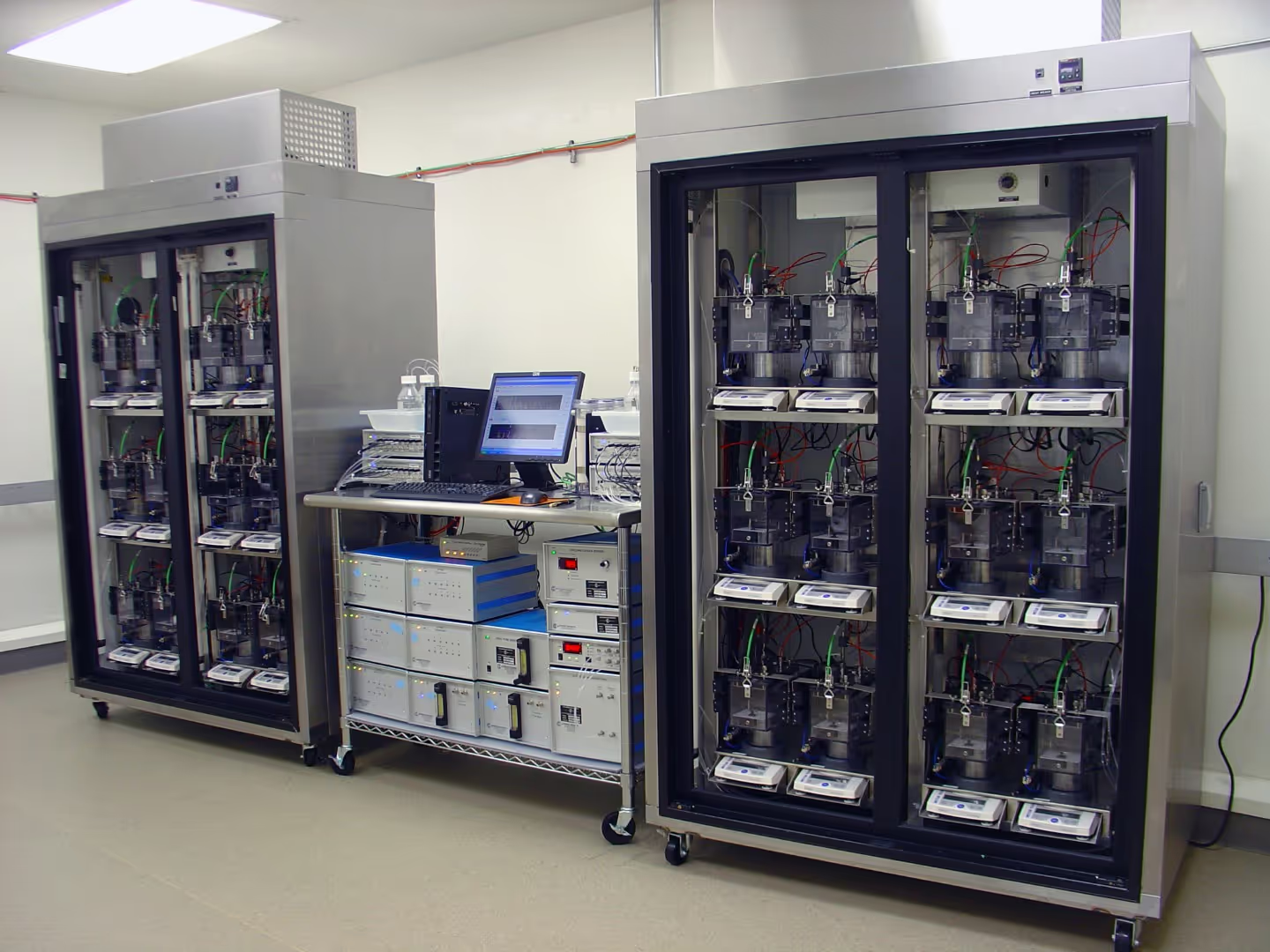
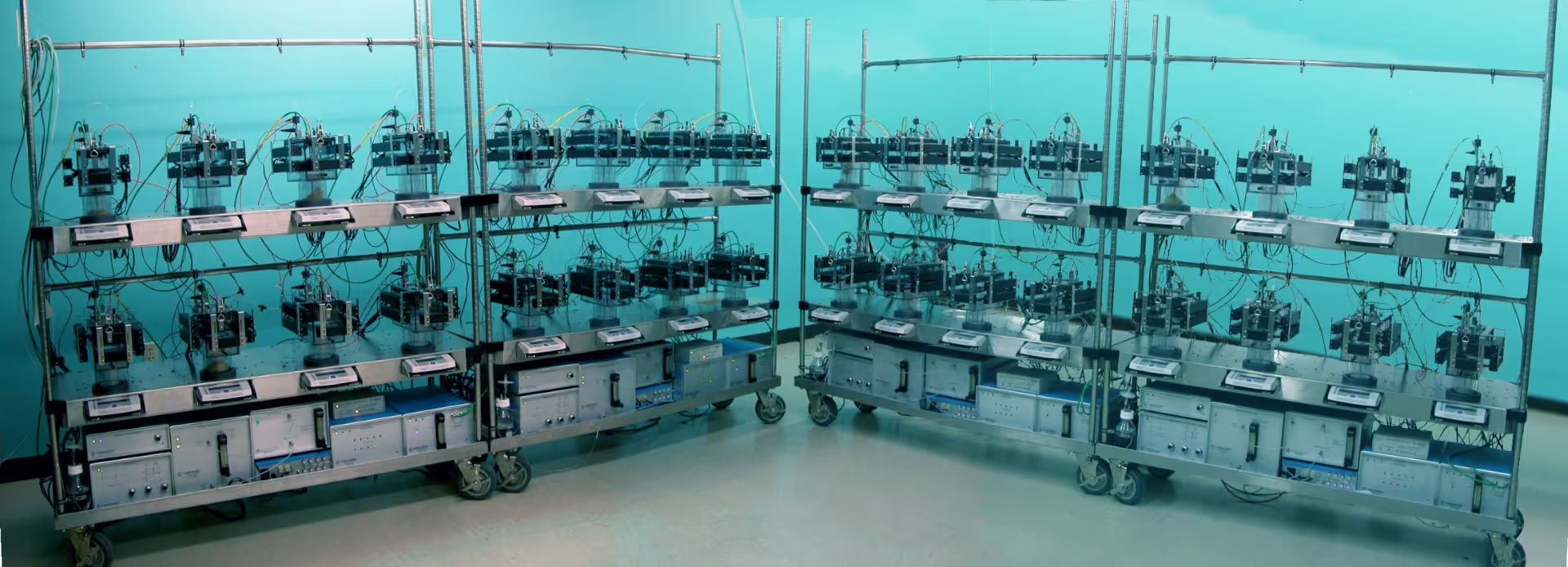
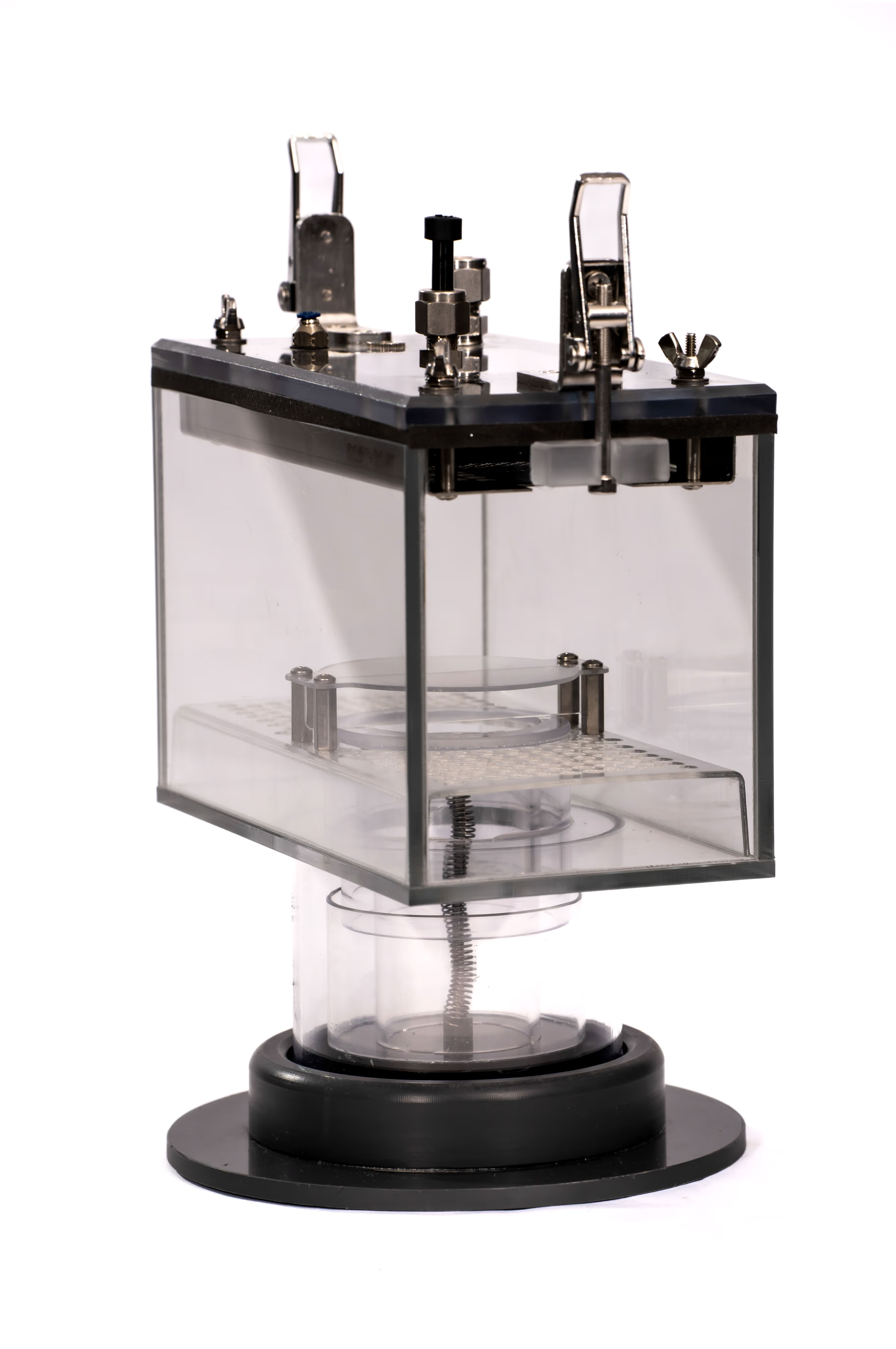
The benchmark for metabolic and nutritional research requires extreme precision in calorie tracking, particularly when using specialized diets that standard feeders cannot handle. Designed specifically for high-precision feeding studies, particularly with obese models (ob/ob mice).
Research Applications
- Specialized Food Cup: Ob/Ob mice or other specialized subjects may exhibit difficulty eating from an overhead feeder. CLAMS CenterFeeder Cages address this by placing a food cup on the floor.
- Strict Meal Pattern Control: Most effective for applications requiring the strictest meal pattern control, where food caching poses a major problem.
- Inaccessibility to Food: While the weight can be identified and accounted for in a home-cage environment, food remains accessible and edible during the imposed fasting period. In CLAMS-CF, food is in a powdered or crushed form. If food is cached, it falls through the perforated floor and is unreachable by the subject. Also, the food’s powdery nature minimizes how much can be removed from the food cup with each attempt.
- Optimized Tau: The time it takes for the indirect calorimeter to detect a change in metabolic signal is determined by Tau, which is cage volume/airflow. All home cage solutions offer cage volumes between 6 and 8L and increase airflow to compensate. Universal Oxymax can offer the same flow rates, but the CLASM-CF cage design was optimized for volume, weighing just 2.6 L. At maximum flow settings, CLAMS-CF presents a metabolic cage with a Tau under 1 minute, unmatched in the industry for a cage offering food, water, and a wheel.
Its unmatched precision in measuring food intake, particularly when using powdered or high-fat diets that are notorious for causing spillage and data errors in standard systems.
CLAMS-WasteCage (WC)
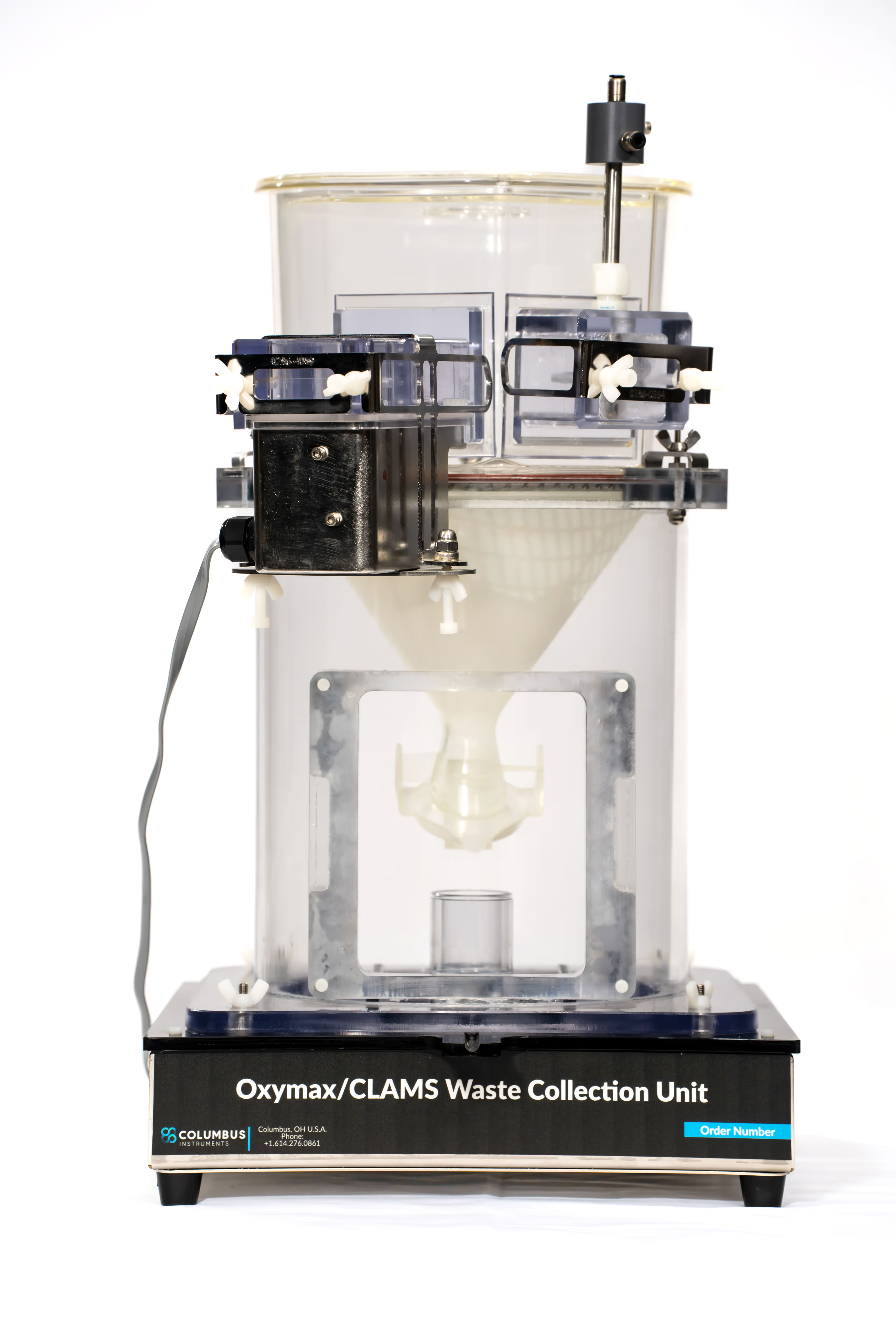
.avif)
For research that requires quantifying and analyzing energy output (metabolic rate) matched with physical waste output. Best for shorter, more focused experimental periods. The unique mechanical design ensures that waste collection does not interfere with metabolic data collection.
Research Applications
Researchers measure urine and feces to determine if an animal is in a positive or negative nitrogen state, which is critical for studying protein metabolism and muscle-wasting diseases.
Collecting pure, uncontaminated urine and feces allows scientists to track, in real time, how a drug or toxin is metabolized and excreted by the body.
By preserving and weighing feces as they are voided, researchers can study how different diets or genetic modifications change the gut output and nutrient absorption efficiency.
The system is used to study disorders such as diabetes insipidus and the effects of diuretic drugs by tracking the volume and frequency of urination events.
Gravity separates cage waste into collection vials for further lab analysis.
Key Features
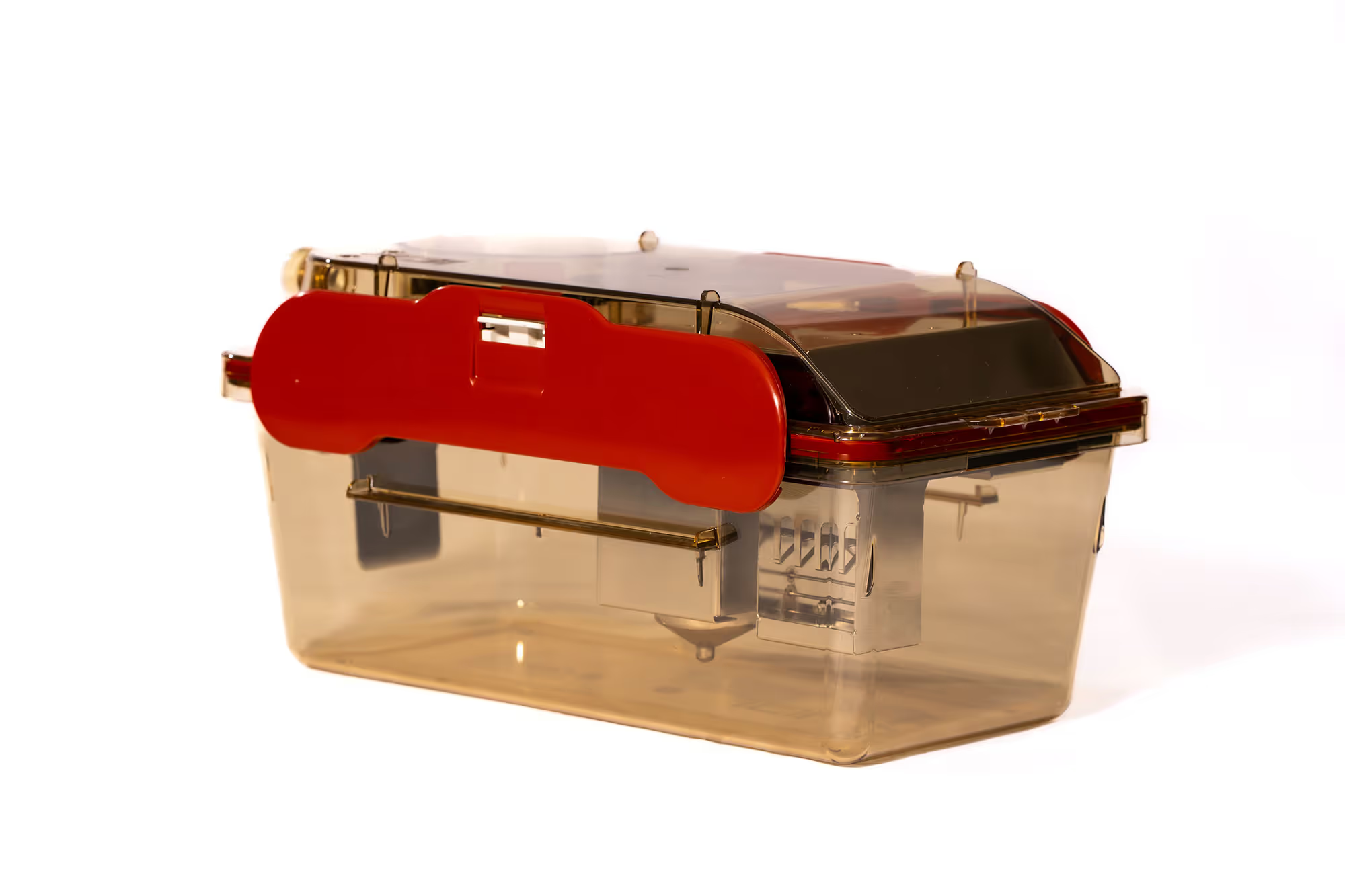
Gas Sensing & Resolution
Built on high-resolution respiratory technology, offering the following sensor specifications:
- Data Acquisition Rate: Captures O2 and CO2 data at 10Hz for ultra-fast response times.
- Oxygen (O2) Sensors: Three options are available:
- Zirconia: Fastest scan rate (20 seconds per cage); ideal for high-throughput.
- Paramagnetic: Highest precision and ultra-low maintenance.
- Electrochemical: Budget-friendly option.
- Carbon Dioxide (CO2) Sensor: Non-dispersive infrared (NDIR) with 0-0.9% range and virtually zero drift.
- Standard Ranges: CO2 (0% – 0.9%); O2 (19.3% – 21.5%). Optional expanded ranges (0-100%) and additional sensors (CH4, H2, 13CO2) are available.
- Sample Drying: Integrated drying from 30°C down to 4°C to prevent humidity-related data skew.
Behavioral & Activity Monitoring
The cage monitoring system tracks animal behavior via integrated infrared beams:
- Sensing Axes: 3-dimensional tracking (X, Y, Z).
- Beam Spacing: Available in 0.5" (1.27 cm) or 1" (2.54 cm) intervals.
- Scan Rate: 160 Hz for high-resolution locomotor data.
- Mass Resolution: High-precision scales detect feeding/drinking events down to 1 mg.
Integrated Telemetry (G2 Emitters)
The CLAMS-Connect features a specialized floor-antenna system for battery-less monitoring:
- Sensors: Core body temperature and heart rate.
- Technology: Wireless, battery-less implants (1.1g to 1.5g) powered by a custom antenna located <2mm beneath the cage floor.
- Warranty/Lifespan: 2-year warranty with no battery replacement required.
Hardware Design & Physical Dimensions
The metabolic cage housing system is designed for high-density lab environments:
- Wire & Tube-Free: Designed for increased mobility and reduced human error during setup.
- Cage Density: Compact footprint allows 25% more cages per rack or incubator than legacy models.
- Environmental Monitoring: Every individual cage includes integrated sensors for Temperature, Humidity, and Pressure.
- Biocontainment: Rated for P3 (Biosafety Level 3), making it suitable for infectious disease research.
- Dimensions (Standard Components):
- Sample Pump & Sensors: 13" x 11.5" x 12" (33 x 29 x 30 cm); Weight: 20 lbs.
- Controller: 17" x 17" x 7" (43 x 43 x 18 cm); Weight: 40 lbs.
Software & Compliance
- Software Platform: CI-Link
- Features: Real-time data viewing and IICCC-compliant datasets.
- Connectivity: Wireless data transfer from cages to the central receiver.
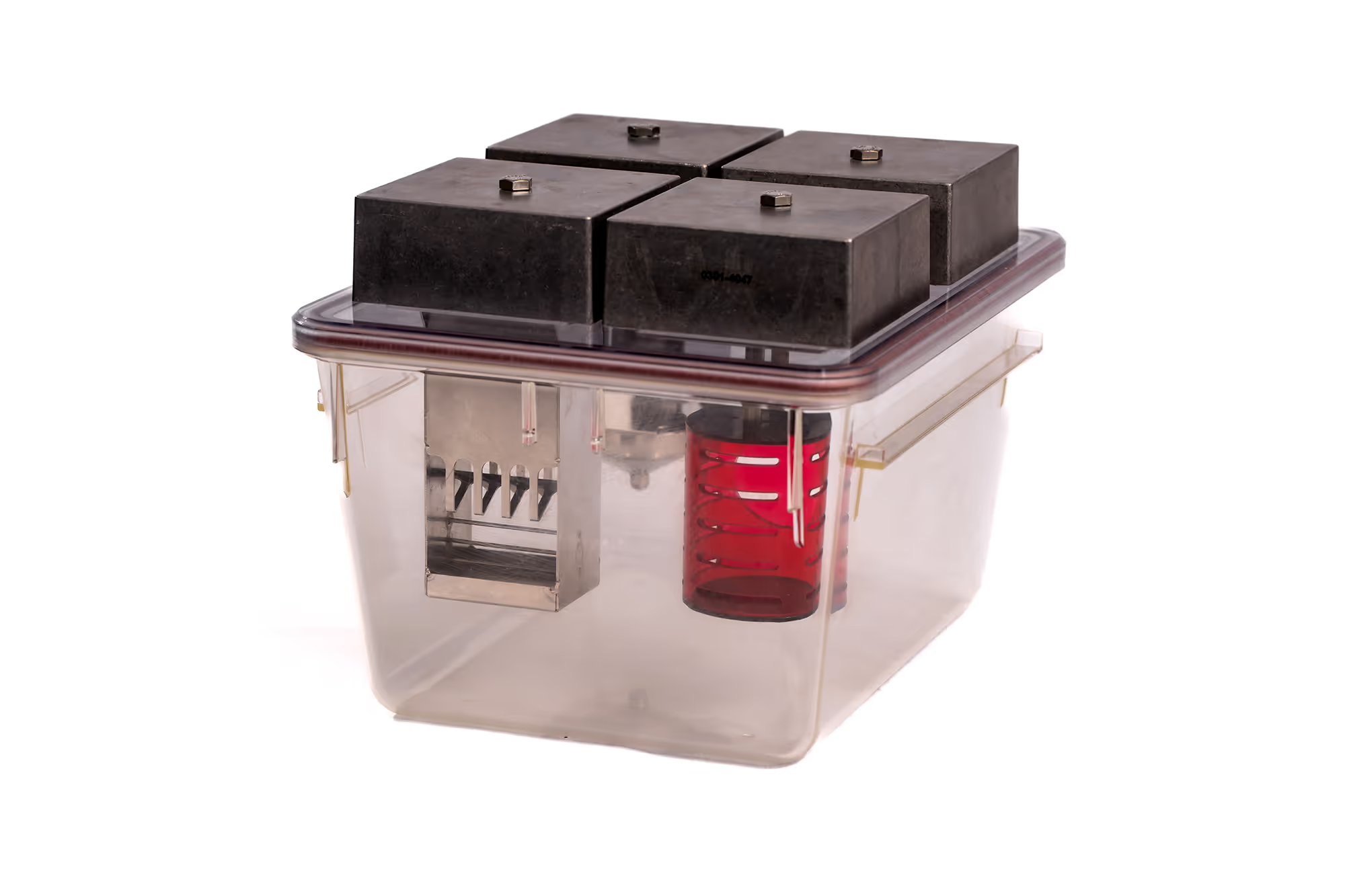
Physical Dimensions & Capacity
The system is adaptable to standard IVC (Individually Ventilated Cage) cage types, ensuring animals remain in a familiar environment.
- Mouse Cage Dimensions (Livable Area): 7" (17.75 cm) diameter; 5.625" (14.25 cm) ceiling height.
- Overall Footprint (with base/stand): 15" W x 11" D x 23" H (38 x 28 x 58.4 cm).
- System Capacity: Expandable from 1 to 32 subjects simultaneously.
- Subject Weight Range: 10g to 70g (standard configuration).
Metabolic Sensing (Indirect Calorimetry)
The core of the rodent calorimetry system is the Oxymax gas analyzer, which supports three oxygen sensor technologies:
Ultra-fast (20s per cage)
High-throughput systems
High precision, ultra-low maintenance
Small-to-medium systems
Budget-friendly, high accuracy
Smaller, continuous sampling
- CO2 Sensing: Uses NDIR (Non-Dispersive Infrared) to eliminate drift.
- Resolution: Up to 0.01 PPM CO2 and 0.003 PPM O2.
- Sample Rate: Internal capture rate of 10 Hz.
- Drift Control: Automated fresh-air reference checks via mass flow control.
Behavioral & Physical Activity
The CLAMS-HomeCage acts as a comprehensive cage monitoring system by tracking movement across all three planes:
- XYZ Beam Spacing: 0.5" (1.27 cm) or 1" (2.54 cm).
- Scan Rate: 160 Hz.
- Activity Types: Distinguishes between Ambulatory (exploring), Fine (grooming), and Rearing (Z-axis).
- Running Wheel (Add-on Feature): Supports free-spinning wheels for spontaneous exercise tracking (limited to mice <35g).
Food & Water Monitoring
- Feeding: Uses an overhead pellet feeder with a spillage catchment.
- Drinking: Options include a mass-based (load cell) or a Volumetric Drinking Monitor (VDM), which uses a dosing pump to measure precise microliters consumed.
- Mass Resolution: 1 mg
- Access Control: Optional servomotor-powered doors to restrict food based on time or mass (Pair/Yoked feeding).
Advanced Integrated Features
- Telemetry: Wireless, battery-less G2 Emitters for core body temperature and heart rate.
- Sample Drying: Integrated drying of gas samples from 30°C down to 4°C to ensure humidity does not skew O2 readings.
- Environmental Control: Often housed in cabinets with programmable light cycles and temperatures from 4°C to 40°C.
- Measurement Resolutions & Precision
- Mass Resolution: 1 mg (for food and water intake).
- CO₂ Resolution: 0.01 PPM.
- O₂ Resolution: 0.003 PPM.
- Food Intake Accuracy: Typically maintained at 99%+ due to the specialized "fur-fluffing" tunnel and spill catchment design.
Physical Cage Dimensions
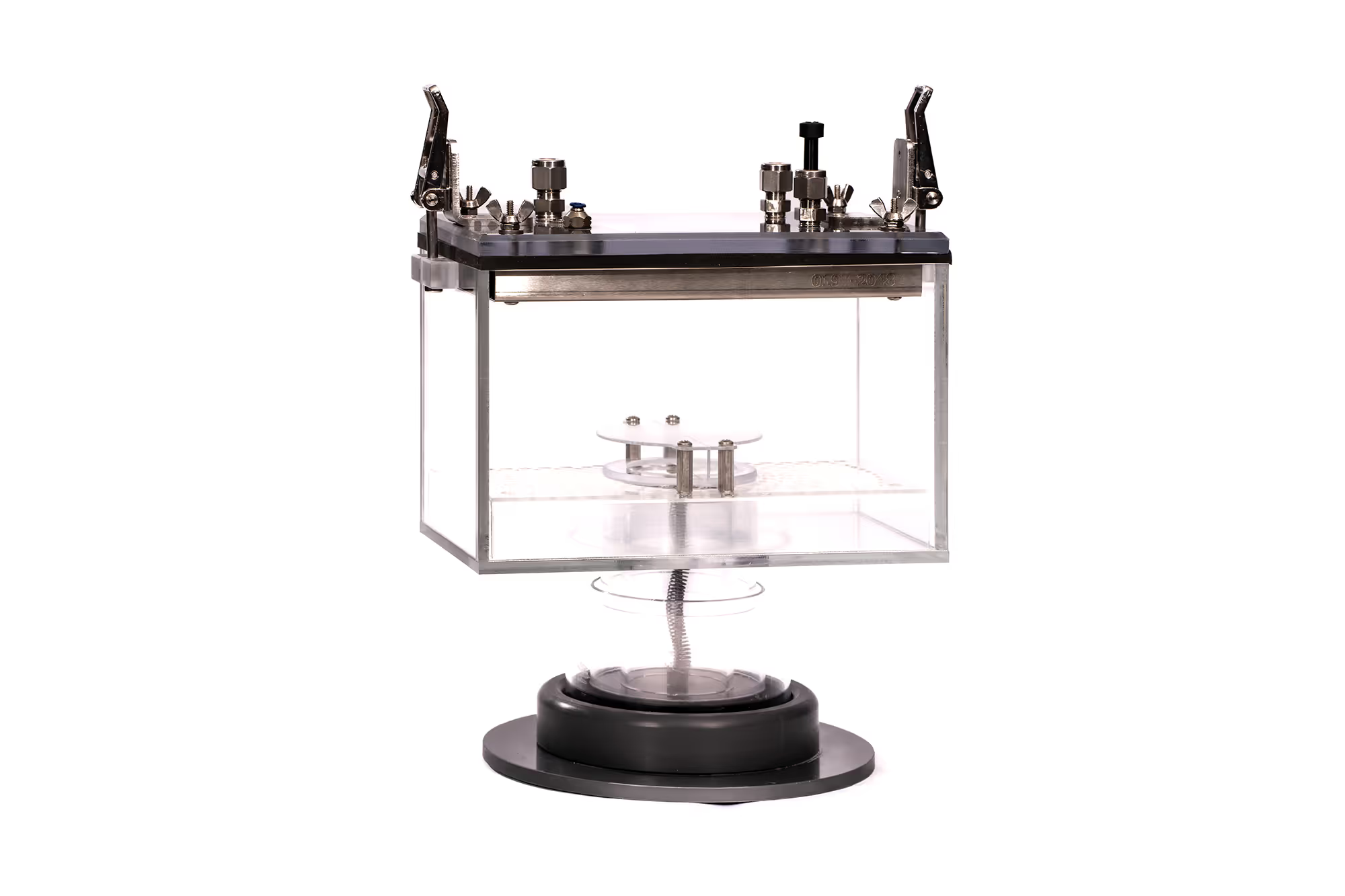
The CLAMS-CenterFeeder model features a unique circular cage design that accommodates the central feeding station.
- Mouse Cage:
- Livable Area: 7.0” (17.75 cm) Diameter x 5.625” (14.25 cm) Height.
- Overall Size (with stand): 15” W x 11” D x 23” H (38 x 28 x 58 cm).
- Rat Cage:
- Livable Area: 8.0” (20.3 cm) Diameter x 5.125” (13.0 cm) Height.
- Overall Size (with stand): 16” W x 11” D x 23” H (41 x 28 x 69 cm).
Gas Sensor Specifications (Oxymax Component)
The CLAMS-CenterFeeder integrates with Columbus Instruments' Oxymax gas analyzers, which offer the following ranges:
- O₂ Sensors: 19-21% or 0-100% (Available in Zirconia, Paramagnetic, or Electrochemical).
- CO₂ Sensors: Ranges from 0-2000 ppm up to 0-100% (non-dispersive infrared).
- Scan Rate: 20 seconds per cage (when equipped with Zirconia sensors).
- Sample Drying: Dependable drying from 30°C down to 4°C to ensure stable gas readings regardless of humidity.
Feeder Assembly & Design Features
- Center Feeder Assembly: A floor-level station that presents food from a spring-loaded plate to keep the diet surface at a constant level.
- Specialized Tunnel: Includes "ribs" that brush the animal’s fur as it exits the feeder, helping it shake off loose crumbs and ensuring they fall into the collection cup rather than the bedding.
- Automated Food Access (Add-on Feature): Servomotor-powered doors can be programmed to restrict access based on Time, Mass Consumed, Energy Value (calories), or Yoked/Pair Feeding.
- Materials: Manufactured from mixed materials (anodized aluminum and medical-grade plastics). Note: These components are not machine-washable and should be hand-wiped with mild soap or 10% bleach.
Integration Capabilities
- Telemetry: Compatible with battery-less G2 Emitters for 24/7 core body temperature and heart rate monitoring.
- Activity: 3-axis (X, Y, Z) infrared photo-beam array for locomotor and fine-movement tracking.
- Environmental Control: Can be placed inside Environmental Enclosures (e.g., ENC77, ENC52) for temperature and light cycle regulation.
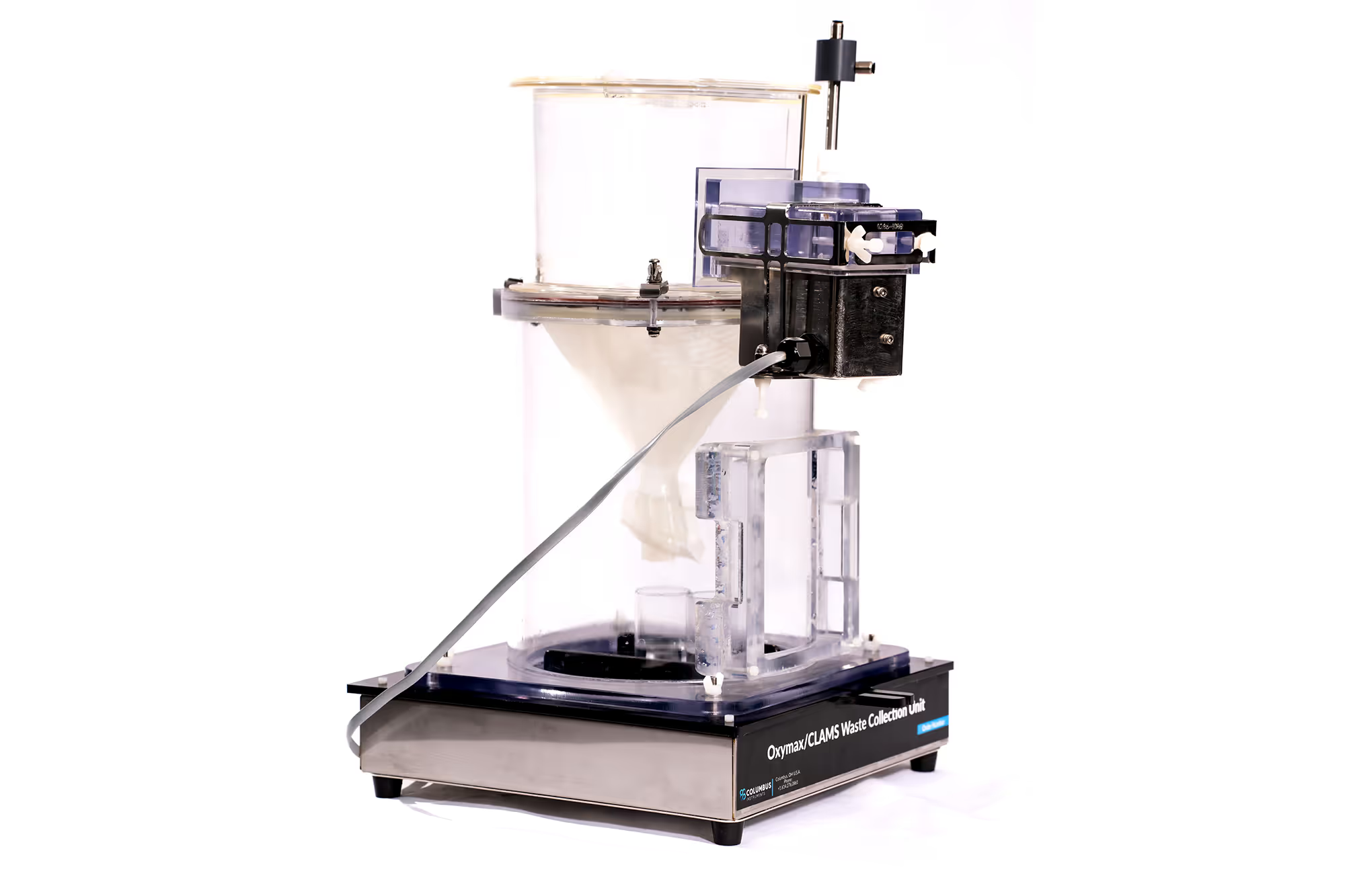
Physical Dimensions
The cage is designed to be restrictive enough for accurate waste collection while providing a comfortable, livable area for the subject.
- Mouse Cage Dimensions:
- Livable Area: 7 in (17.75 cm) diameter, 5.625 in (14.25 cm) ceiling height.
- Overall Size (with base/stand): 15" W x 11" D x 23" H (38 cm x 28 cm x 58.4 cm).
- Rat Cage Dimensions:
- Livable Area: 8 in (20.3 cm) diameter, 5.125 in (13 cm) ceiling height.
- Overall Size (with base/stand): 16" W x 11" D x 23" H (40.6 cm x 28 cm x 68.6 cm).
Waste Collection & Separation
The defining feature of the CLAMS-WasteCage is its mechanical separation and measurement hardware.
- Separation Funnel: A uniquely shaped funnel beneath a wire mesh floor uses gravity to guide waste. A separator at the bottom ensures urine and feces are directed into distinct collection vials.
- Load Cell Precision: The collection vials sit on high-precision load cells with an accuracy of +/- 0.005g and a resolution of 0.001g.
- Automated Scoring: The software records time-stamped voiding events in the data file whenever the weight in a vial increases.
- UroFlow Analysis: Data can be streamed at 10Hz to reconstruct the exact flow and volume of urine over time.
Feeding & Drinking Hardware
To prevent cross-contamination of waste samples (e.g., food crumbs falling into the urine funnel), the CLAMS-WasteCage uses specific delivery methods:
- Tunnel Feeder: The most restrictive feeder design. The animal must crawl through a narrow tunnel to access powdered food. This tunnel includes internal ribs that brush against the animal's fur, knocking off loose crumbs before it returns to the waste collection area.
- Volumetric Drinking Monitor (VDM): Instead of a gravity-fed sipper, the WC often uses a patented VDM system. It uses a small dosing pump and a water-level detection circuit to dispense water only when the animal drinks, preventing leaks that could ruin urine data.
Despite its focus on waste, the CLAMS-WasteCage maintains full calorimetry and activity tracking capabilities:
- Indirect Calorimetry: Measures VO2 and VCO2 via Zirconia, Paramagnetic, or Electrochemical sensors.
- Activity Monitoring: Standard infrared beam arrays track movement along the X and Y axes.
- Sample Drying: Integrated sample drying (from 30°C to 4°C) prevents urine humidity from interfering with gas concentration readings.
Optional Upgrades
- Urine Freezing Option: A chilled or frozen plate can be added to the collection area to immediately preserve urine samples for sensitive biomarker analysis.
- Telemetry Integration: Compatible with G2 battery-less implants for monitoring core body temperature and heart rate.
Maintenance Information
Frequently Asked Questions - FAQs
CLAMS-Connect is the newer iteration of CLAMS-HomeCage, offering a more polished, easier-to-use solution for high-demand laboratories while remaining a “home-cage-based” system. In terms of price, the less expensive option depends on the features selected. The high level of integration with CLAMS-Connect allows us to offer it with all options for a lower price than a similarly equipped CLAMS-HomeCage system. The opposite is also true; the fewer the features selected, the better the price for CLAMS-HomeCage.
The rat or mouse metabolic system is highly scalable. A single controller can typically manage 1 to 32 animals. For large-scale studies, the lab animal monitoring system can be expanded to run multiple racks in parallel, making it an ideal metabolic phenotyping system for high-throughput genetic screening.
Yes. In the CLAMS-Connect, CLAMS-HomeCage, and CLAMS-CenterFeeder models, you can use standard contact bedding. This is a key feature of the mouse metabolic cage system, as it reduces animal stress and yields more accurate data than bare-bottom cages. However, the CLAMS-CenterFeeder cage and rodent metabolic cage system for waste collection, CLAMS-WasteCage, features a cage floor that is not conducive to standard bedding.
The sampling speed depends on your sensor choice. If using the high-speed Zirconia oxygen sensor, the rodent indirect calorimetry data can be refreshed every 20 seconds per cage. This high-density data enables the cage-monitoring system to detect subtle metabolic spikes associated with specific behaviors.
Absolutely. Using infrared beam breaks across the X, Y, and Z axes, these metabolic and behavioral cages distinguish between:
- Ambulatory Activity: Exploring the cage.
- Fine Movement: Grooming or scratching.
- Rearing: Standing on hind legs (detected by the Z-axis).
Yes, our CLAMS metabolism and behavior lab equipment is supported by CI-Link software. This platform is IICCC-compliant and provides transparent and auditable data.
The metabolic cage system utilizes non-dispersive infrared (NDIR) sensors and automated fresh-air reference checks. The system periodically pulls ambient air to re-zero the sensors, ensuring that your rodent metabolic system remains accurate over experiments lasting days or weeks.
In rodent calorimetry system research, simply dividing energy expenditure by body weight (e.g., kcal/hr/kg) is now considered scientifically outdated.
The Problem: Ratios assume that metabolism and body weight have a perfectly linear relationship that passes through zero, which is biologically false.
The Solution: Use ANCOVA (Analysis of Covariance). This treats body weight (or lean mass) as a "covariate," allowing for a more accurate comparison between groups (e.g., lean vs. obese) without the "spurious" results caused by ratio-based scaling.
Researchers using mouse indirect calorimetry typically use the Abbreviated Weir Equation to convert gas exchange data into energy values. The formula most commonly used by the metabolic monitoring system software is: EE = [3.941 x VO2 + 1.106 x VCO2] x 1.44(Where VO2 and VCO2 are in mL/min, and the result is in kcal/day). If your study involves protein metabolism, you may need the full equation, which includes a correction for urinary nitrogen.
To ensure your home cage monitoring system data is valid and reflects natural behavior, follow this standard timeline:
- Vivarium Acclimation (7 days): Animals should stay in the facility to recover from transport stress.
- Cage Habitation (48–72 hours): Place animals in the metabolic phenotyping cage with the same bedding and food they will use during the test.
- Stable Recording: Data from the first 24 hours is often discarded as noise. Analyze the 48-hour window that follows (2 full light/dark cycles).
Choosing the right sensor for your metabolic system depends on your experimental goals:
- Zirconia (High Speed): The benchmark for fast scanning. Often used in 16–32 cage systems; dwells on a cage for 20 seconds, providing higher-density data. However, it is the highest-priced option.
- Paramagnetic (High Precision): Known for extreme stability and accuracy. It is rugged and long-lasting, but slower than Zirconia with a dwell time of 45 seconds. Ideal for smaller systems that cope well with being broken down, stored, and pulled back out and set up without any fuss. It’s also ideal for hypoxia studies as it has a user-adjustable range; normally, 19-21%, it can be moved to 9-11%, for example.
Get Started

 Powered by Bioz